Behind the Science: Staying Inspired in a Biodiversity Crisis
.jpg)
An Interview by Kellye Rosenheim, Publications Committee | August 27, 2026
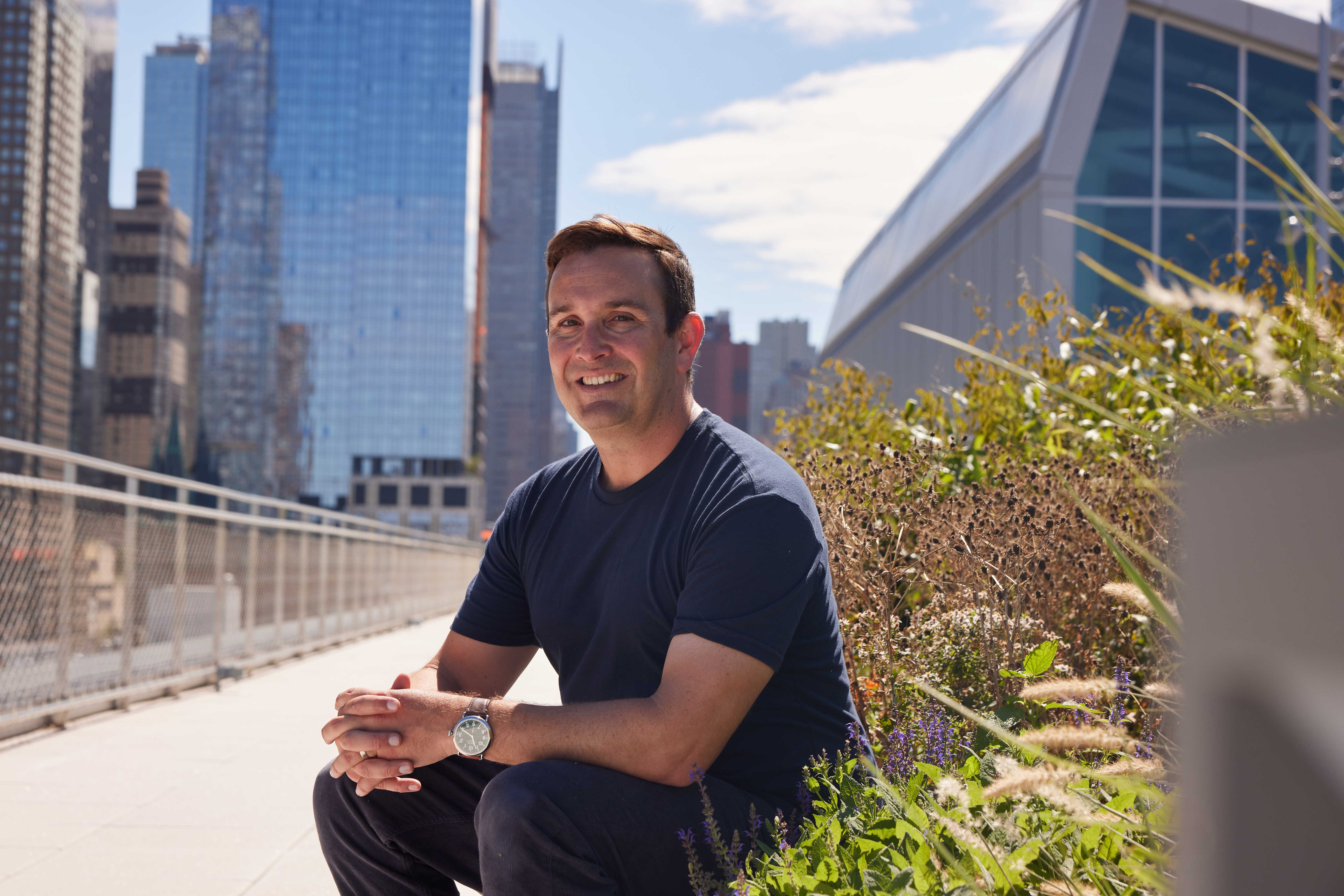
Feeling like it’s all bad news? Even if it’s not, how can we stay optimistic in these interesting times? Dr. Dustin Partridge, senior director of conservation and science, joined NYC Bird Alliance in 2014 as a contract scientist, working on the Javits Center green roof for his PhD research. This summer, I asked Dustin, who now oversees all our major science initiatives, how he stays optimistic on the frontlines of a biodiversity crisis.
When did you know you wanted to work in conservation?
As long as I can remember. I was always that little kid who, whenever anybody sat down next to me, I’d say, 'Do you want to talk about nocturnal animals?' The natural world has always been my biggest interest, especially the interactions between species and how the world functions. It was a natural lead to conservation because you start seeing how everything is so connected and how important our ecological systems are — and why they're so important to protect.
Were you the sort of kid who was always out there trapping frogs and collecting old birds' nests?
Oh absolutely. Even on the baseball team, I was in right field looking for bugs in the grass.
Feeling like it’s all bad news? Even if it’s not, how can we stay optimistic in these interesting times? Dr. Dustin Partridge, senior director of conservation and science, joined NYC Bird Alliance in 2014 as a contract scientist, working on the Javits Center green roof for his PhD research. This summer, I asked Dustin, who now oversees all our major science initiatives, how he stays optimistic on the frontlines of a biodiversity crisis.
When did you know you wanted to work in conservation?
As long as I can remember. I was always that little kid who, whenever anybody sat down next to me, I’d say, 'Do you want to talk about nocturnal animals?' The natural world has always been my biggest interest, especially the interactions between species and how the world functions. It was a natural lead to conservation because you start seeing how everything is so connected and how important our ecological systems are — and why they're so important to protect.
Were you the sort of kid who was always out there trapping frogs and collecting old birds' nests?
Oh absolutely. Even on the baseball team, I was in right field looking for bugs in the grass.
And there you were years later on the Javits Center green roof, looking for bugs again.
Exactly. I was never interested in a purely academic approach to science. I wanted to find solutions that benefit people and the environment, which is why I chose to study green roofs. They’re a practical solution for biodiversity loss and climate change, directly benefitting people.
How can we make NYC a thriving green space for birds?
New York is already a thriving space for birds, an incredible biodiversity hotspot. To protect and improve it, we should do all that NYC Bird Alliance already prioritizes: make sure streets and green roofs incorporate native plants, bird-safe glass is everywhere, and the Harbor continues to host rich biodiversity.
And because we’re such a well-known metropolis, we can be the example. Our actions can inspire conservation in cities around the world.
Given how high the stakes are, how do you stay undaunted by the task at hand?
Conservation is a crisis discipline, and we have challenging moments: discovering a dozen dead birds beneath lethal glass or hearing that conservation laws are being stripped. What I constantly come back to is: our solutions make a difference. I love walking around the City and seeing a new building with bird-safe glass. It’s amazing that thousands of New Yorkers spoke up to get the Horseshoe Crab Protection Act signed into law. In those moments, we know this work is making a difference.
Your team discovered a critical decline of Black-crowned Night Heron. How was it receiving that news?
Dr. Shannon Curley and I were working through 40 years of survey data – an incredibly valuable dataset that is tracking the largest remaining population of Black-crowned Night Herons in the Northeast. One night she sent me the result: a rapid decline of 55% over just 22 years. I felt this raw shock.
I had just put my six-year-old daughter to sleep, and I thought: what does this mean for her future? We're losing this bird, an indicator species, and its decline is telling us that something's wrong with our environment, and potentially with our waterways.
As scary as this news is, the fact that we discovered it while this common bird is still common is huge. That was the hope I went toward. We have enough time to make a change, save this bird, and ensure that our harbor is a healthy ecosystem for our wildlife and community.
What would you say to a person going into conservation?
Balance is important. And get out in the field.
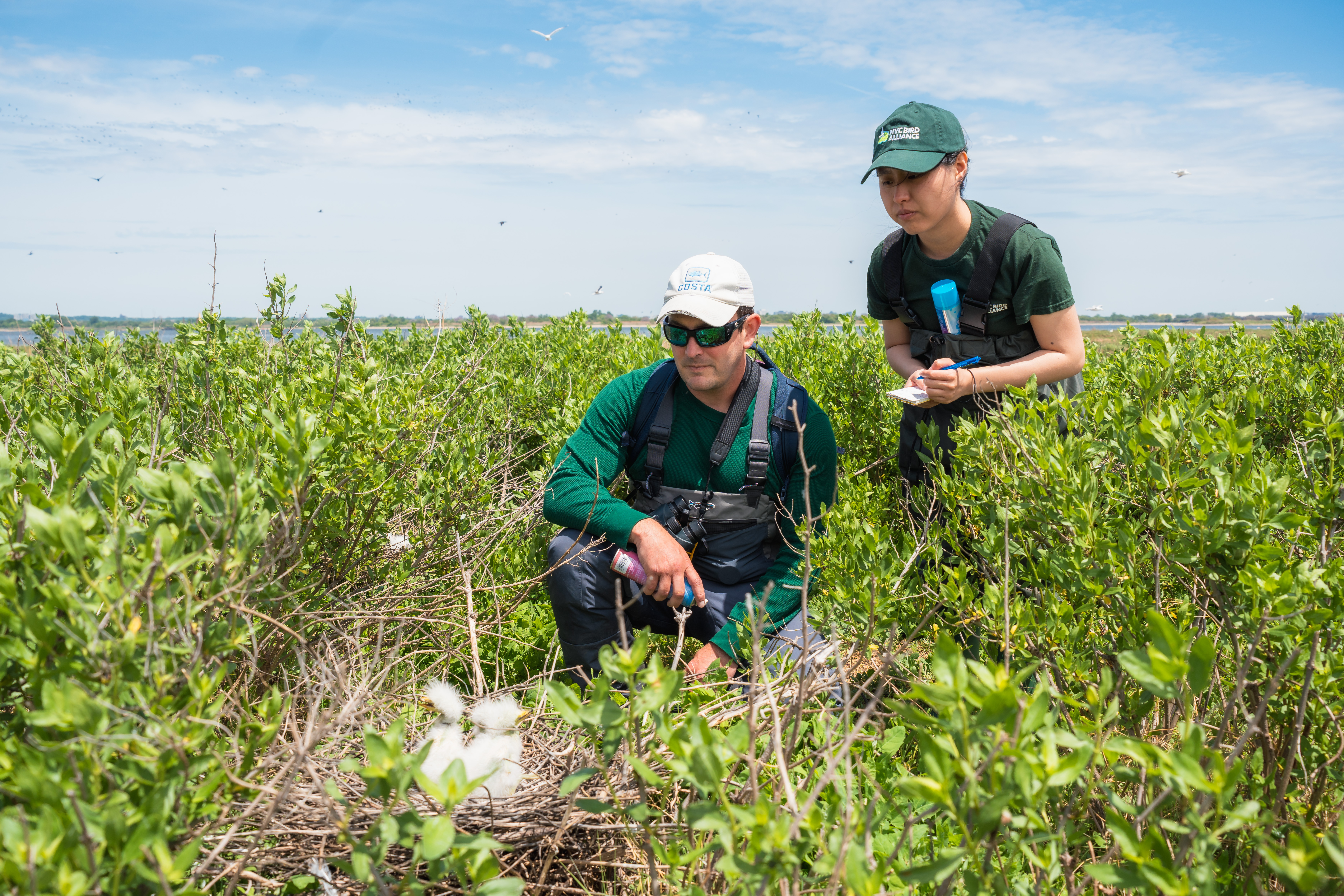
Every summer I go out to the Harbor Heron islands in NY–NJ Harbor, where these little dinosaurs nest from the ground to the canopy. These areas are so wild – full of lush vegetation and uninhabited by people. Then in 20 minutes you're back in Brooklyn. It’s so cool to know that this natural world exists here. It's those moments that keep hope alive and demonstrate that our work does have living, breathing impact.